
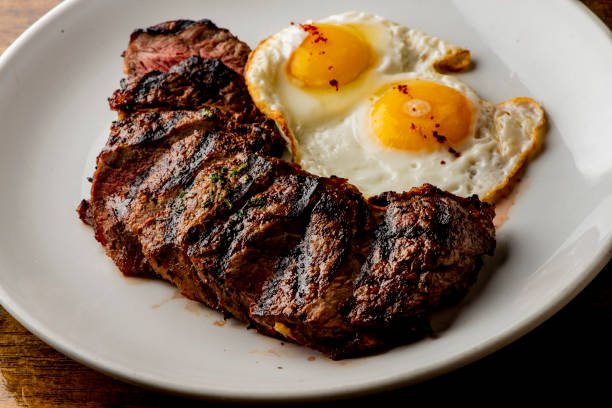
In a world that encourages indulgence and convenience, choosing a disciplined way of eating—like the keto or carnivore diet—can feel countercultural. But as a Catholic, I’ve found that these dietary choices aren’t just about health. They’ve become tools for spiritual growth, self-mastery, and honoring God with my body.
My Journey: Keto, Then Carnivore (Twice)
I started with keto—a diet focused on healthy fats, low carbs, and moderate protein. It helped me curb sugar cravings, think more clearly, and lose unnecessary weight. Eventually, I transitioned to carnivore—an even more stripped-down diet of animal-based foods. I’ve done it twice now, and each time it’s reminded me of fasting, discipline, and the call to detach from comfort.
Carnivore is not always easy. But that’s the point. Like fasting, it teaches me to say no to my flesh so I can say yes to God.
The Spiritual Side of Eating
Catholicism is a faith of incarnation. What we do with our bodies matters. We fast, we kneel, we feast—because our bodies and souls are connected.
Here’s how I see keto and carnivore through a Catholic lens:
- Discipline: These diets remind me that not everything my body craves is good for me. Training myself to delay gratification is a spiritual practice.
- Fasting-Inspired: Carnivore feels like an extended fast—not from food entirely, but from excess and indulgence. It’s simplicity and sacrifice at the table.
- Clarity for Prayer: Removing sugar and processed carbs clears my mind. I’ve noticed my prayer is more focused, my mornings more structured, and my heart more available to God.
- Mortification in Modern Form: Catholics have always practiced little mortifications—offering up small sacrifices for others or to unite with Christ. Choosing steak over sugar isn’t penance in the strictest sense, but it can become a quiet offering.
Practical Tips for Catholics on These Diets
- Offer It Up: Every time you deny a craving, unite it with Christ’s sacrifice. Make it intentional.
- Make Meals Prayerful: Don’t just say grace—thank God for the food that fuels your body and ask for the grace to honor Him through discipline.
- Stay Humble: Don’t become prideful about your health or body. These diets are not about image—they’re about stewardship.
- Live Liturgically: Consider aligning your diet with the Church calendar. Fast more strictly during Lent. Feast (responsibly!) on solemnities. Let the rhythm of the Church inform your food choices.
It’s Not About Perfection—It’s About Formation
You don’t have to do carnivore or keto forever. But for me, both have become more than diets. They’ve helped me grow in virtue, clarity, and spiritual endurance. And in a noisy world, they remind me that the discipline of the body can free the soul to rise.
Want to Go Deeper?
If you’re new to keto or carnivore and want to better understand the “why” behind these ways of eating, a good book can guide you. Here are a couple of solid introductions:
- For Carnivore Beginners:
The Carnivore Code by Dr. Paul Saladino – Explains the science behind animal-based eating in an engaging and practical way.
Get it on Amazon - For Keto Beginners:
Keto Clarity by Jimmy Moore and Dr. Eric Westman – Clear, beginner-friendly, and full of practical tips.
Check it out here
Disclaimer: I am not a medical professional. The information shared in this post is based on personal experience and research. Always consult with your doctor or a licensed healthcare provider before starting any new diet, supplement, or health regimen. Some links in this post may be affiliate links, which means I may earn a small commission at no extra cost to you. Thank you for supporting this blog.
